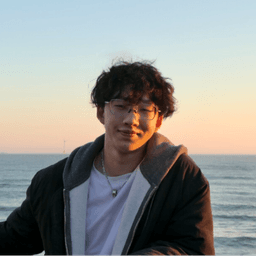
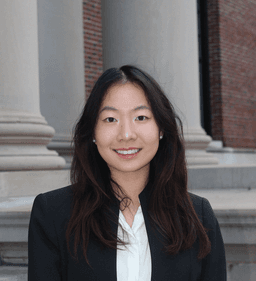
Our Story
I grew up with cerebral palsy.
So I grew up living the journey of having a disability. The treatments existed. The therapies, specialists, the things that could help. What stood between us and them was everything else. What we could afford. How far we could travel. Whether we knew the right person, said the right words, or remembered to put my birthday down on one of the many forms that were given to us.
That stayed with me. The cruelty in healthcare isn't what medicine can't yet do. It's what it already can do, and still fails to deliver to the people who need it most.
As AI has become a bigger and bigger piece within the world we know today, I expected AI to relieve some of these problems that have long plagued families and caregivers: the paperwork, the phone calls, the proving and re-proving. For the most part, it hasn't. While enterprise models have improved in efficiency, families are still left fighting the same fight.
That is why Florence uses AI differently. Not as a black box you hand your records to and hope, but constrained by contract, grounded in your own documents, and never used to train anyone's model — with every fact it surfaces linked back to the page it came from, so you can always check its work.
It's time to give families a method to fight back. To fight for the care they deserve. I don't accept that the quality of your care should depend on the size of your bank or who you happen to know. I lived on the other side of that line, I understand what that entails.
That's the future I'm building toward: one where money, status, and connections are no longer what stands between a person and the care that already exists for them. The same care for everyone, without exception, and without the fight my family had to put up just to be heard.
That fight is why Florence exists. To make sure no one else has to have it.
Best,
Mark